Why Keys Snap — and Why It Matters Which Lock Type You Have
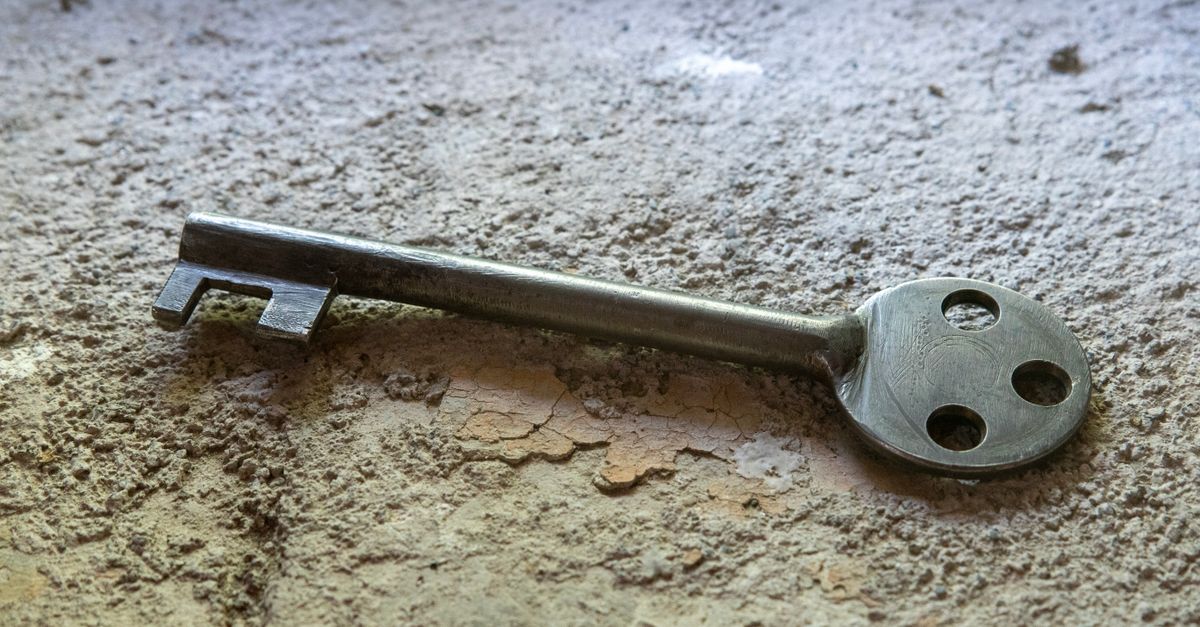
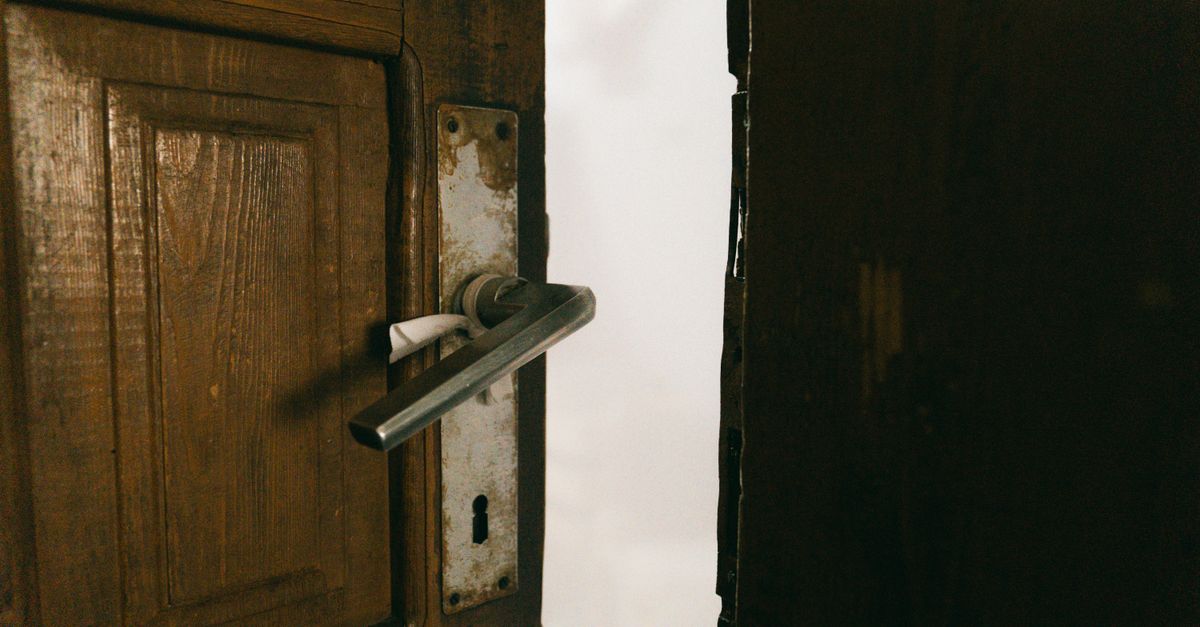
Keys break for a handful of reasons: metal fatigue from years of use, a lock that has become stiff due to lack of lubrication or a worn mechanism, cold weather that makes brass more brittle, or simply a moment of impatience when the key was turned with too much force. The type of lock the key was in shapes everything that follows. A nightlatch — the spring-loaded rim lock that most people in Lewisham refer to as a 'Yale' — has a relatively shallow pin-tumbler barrel, which often means the broken fragment is accessible near the face of the cylinder. A British Standard 5-lever mortice deadlock, the type insurers commonly specify for front doors on the rows of period conversions around Lewisham High Street, holds the key deeper within the case, requiring longer extraction tools and more careful manipulation. Euro cylinders, found on the majority of modern uPVC and composite doors across the borough, present their own challenge: the keyway is narrow and the broken piece frequently rotates partially with the plug, making it harder to grip.
Understanding the lock type also determines whether extraction alone is realistic or whether a replacement is the more sensible route. A euro cylinder that is already showing signs of wear, or one that is not anti-snap rated, may be worth replacing with a TS007 3-star cylinder at the same visit — not least because euro cylinders without anti-snap protection are a known vulnerability that burglars in south-east London have exploited. Our technician will assess the lock honestly and explain both options before any work begins.