What a Lock Change or Cylinder Replacement Actually Involves
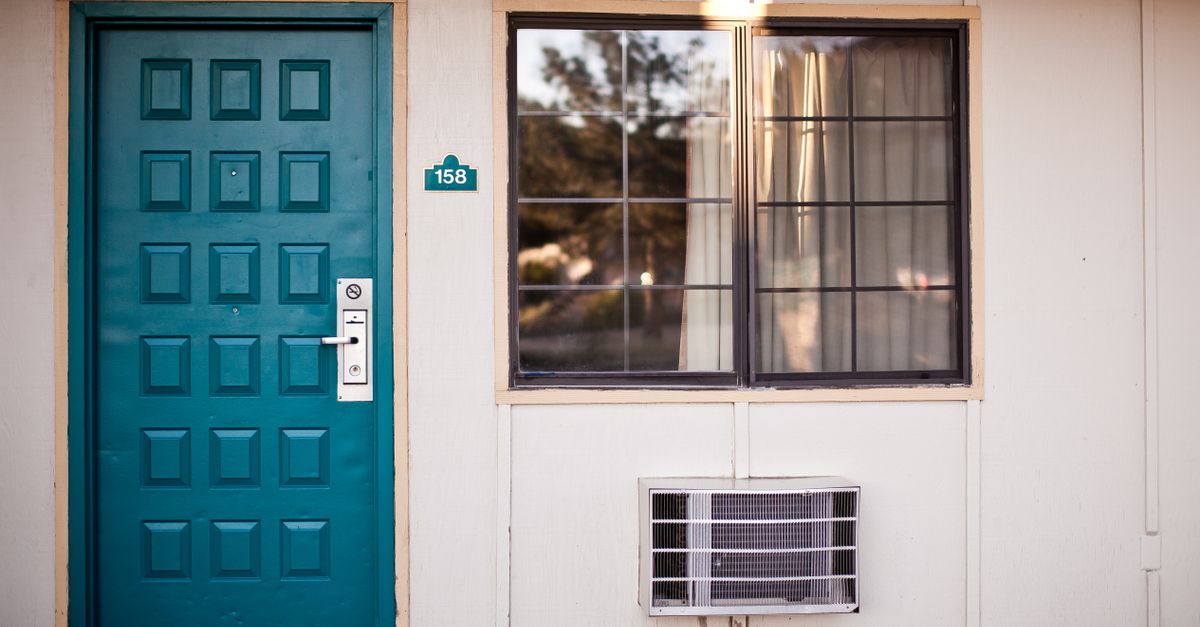
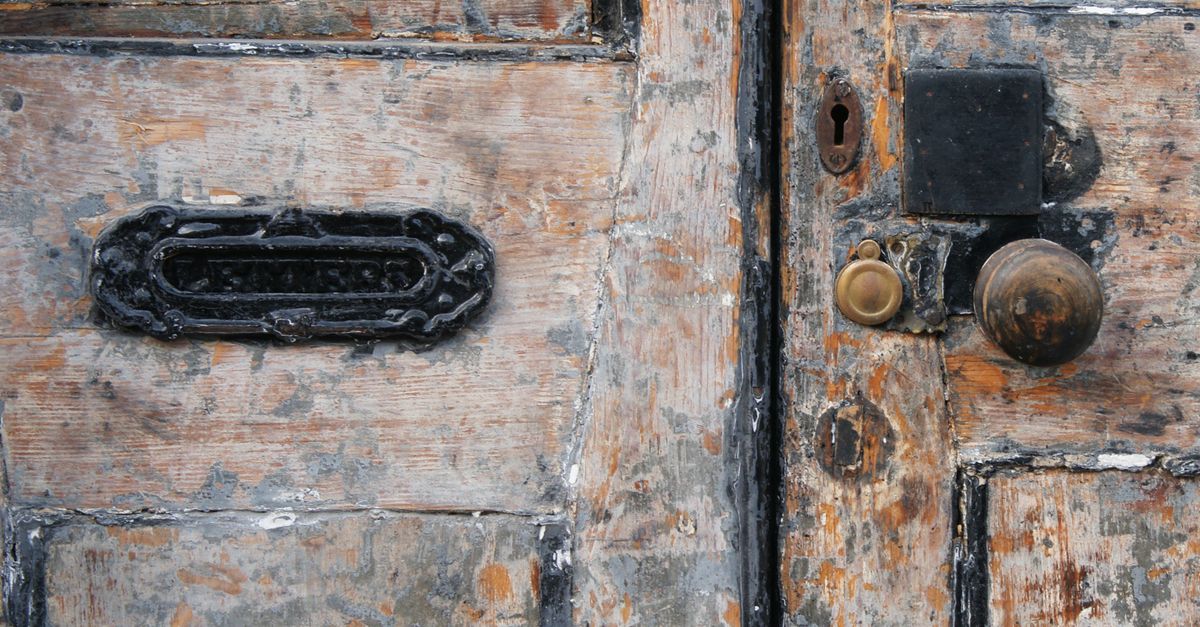
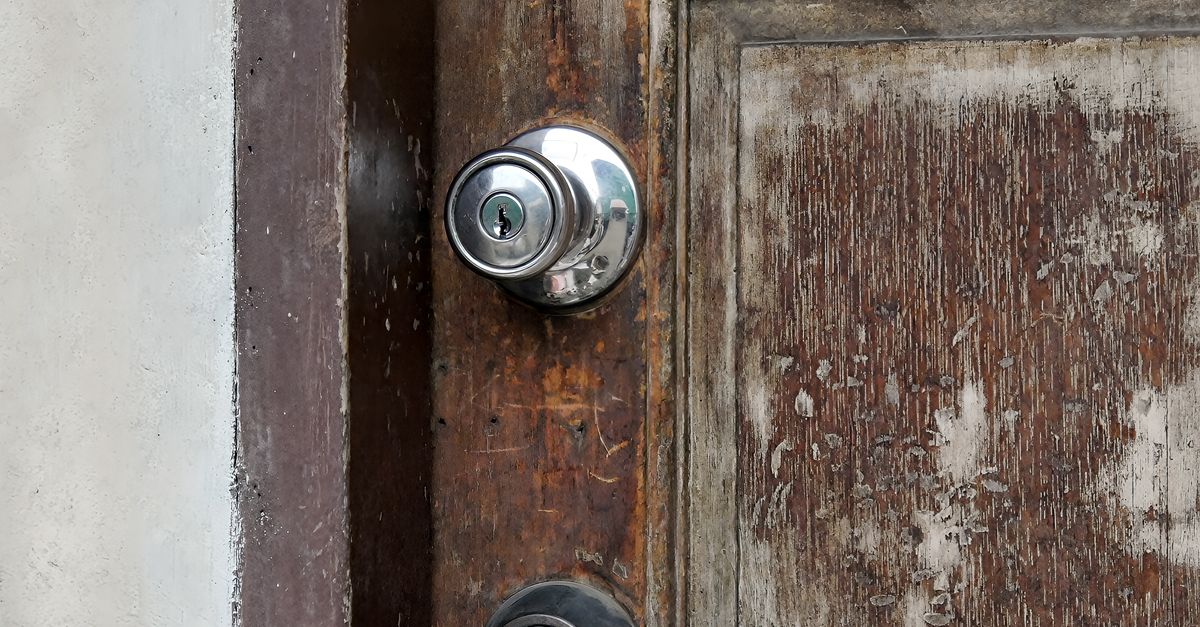
The term 'lock change' covers several distinct jobs depending on the type of door you have. On a traditional timber front door — common in Lewisham's large stock of Victorian and Edwardian terraces — you will usually find a Yale-type nightlatch on the upper half and a 5-lever mortice deadlock lower down. Changing the nightlatch typically means swapping the cylinder and the outer rose; changing the mortice deadlock means removing the entire lock case from the door edge and fitting a new one. On uPVC and composite doors, which are widespread in newer Lewisham builds and housing association properties alike, the mechanism is a multipoint lock operated by a euro cylinder. Here the cylinder itself is usually all that needs replacing, though we always inspect the multipoint mechanism for wear while we are on site.
Euro cylinders carry a specific risk worth knowing about: cylinder snapping. A burglar can snap a standard cylinder in seconds using nothing more than a pair of pliers. For this reason we strongly recommend upgrading to an anti-snap, anti-pick, anti-drill cylinder that meets the TS007 3-star standard. For timber doors, a BS3621 5-lever mortice deadlock is the benchmark that most home insurers expect — if yours does not meet that standard, your policy may not pay out after a break-in. Our team will confirm exactly which grade of lock is fitted once we have assessed your door, and we will explain what your insurer is likely to require before any work begins.