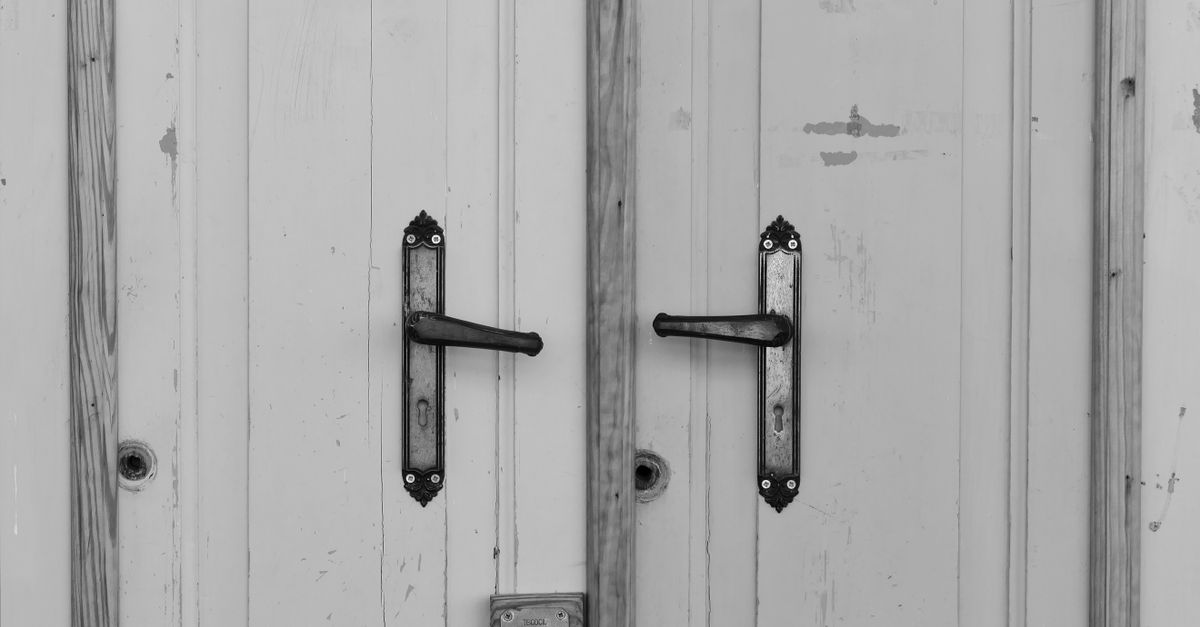
How uPVC Multipoint Mechanisms Actually Fail — and Why It Matters
A uPVC multipoint lock is not a single lock — it is a strip of interconnected components running the full height of the door, usually including a central latch, two or more hook bolts, roller cams, and anti-lift pins. All of these are driven by a central gearbox, which is the small cassette that sits behind the handle spindle. When the gearbox wears out — a process that is accelerated by doors that are slightly out of alignment, or by handles being lifted too hard — the other components still look intact but nothing engages correctly. The most common symptom is a handle that lifts freely in the locked position but does not throw the hooks. A close second is a handle that becomes very stiff or drops under its own weight, indicating a broken internal spring inside the gearbox cassette. Neither of these faults can be fixed by oiling the mechanism: the gearbox needs to be replaced.
Identifying the correct replacement gearbox is where experience matters. There are dozens of different case sizes, hook configurations, and backset measurements in circulation across UK uPVC door manufacturers, and fitting an incorrect cassette simply means the hooks will not align with the keeps in the frame. Our technicians measure the existing mechanism, identify the type — whether that is a Fullex, Yale, Mila, Avocet, or another common pattern — and source a compatible unit from the stock carried in the van. For patio and sliding doors the mechanism is a different design entirely; the sliding door lock replacement process involves disengaging a roller-based or hook-based cassette that runs along the bottom rail, and the tolerances are tighter because misalignment causes the door to lift off its track.